Product Knowledge
FAQs About Jaw Crushers
author:dahua2 time:2026-03-16
When it comes to choosing a jaw crusher, everyone has similar concerns. Dahua Heavy Industry has compiled five frequently asked questions from customers to help you understand better.
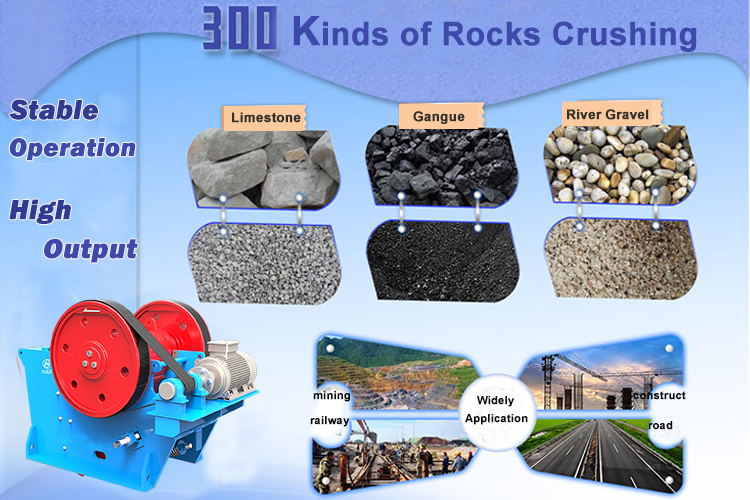
Q1: What kind of materials can a jaw crusher actually "eat"?
A1: Don't worry, it can "gnaw" quite a lot of materials!
Common stones like granite, iron ore, and river pebbles, with relatively moderate hardness (compressive strength below 320 MPa), can all be used as its first "teeth." Even in construction waste recycling, many customers use it as their initial step.
Simply put, as long as the material isn't particularly sticky or soft, it can handle most ores and rocks.
If you have a more unusual material and are unsure, take a photo or send a sample, and our technicians will take a look and clarify things in a few words.
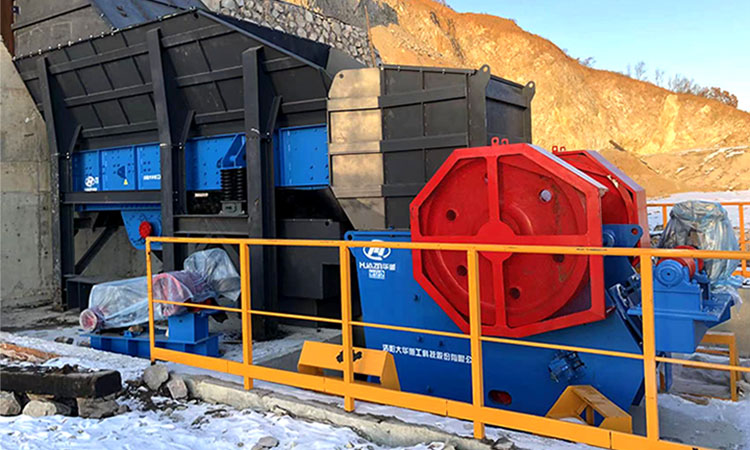
Q2: Regarding jaw crusher capacity and motor power, is higher power always better?
A2: We need to understand this clearly; bigger isn't always better.
It's like pulling a cart. Too little force and it won't move; too much force and it wastes fuel. It has to be just right. For example, the 600×900 model, with a 75kW motor, can process 880-360 tons per hour; while the 2000×1500 model, with a 400kW motor, can reach 750-2000 tons per hour. It depends on your material and production needs.
We test each machine repeatedly before it leaves the factory. The rated power and output are matched precisely. Use it according to the specifications; it's reliable and saves electricity. So please don't just guess and "buy the biggest one." Tell us your production requirements (e.g., you want to break 800 tons per day) and the type of stone, and we'll calculate an economical configuration for you. The savings will be real money.
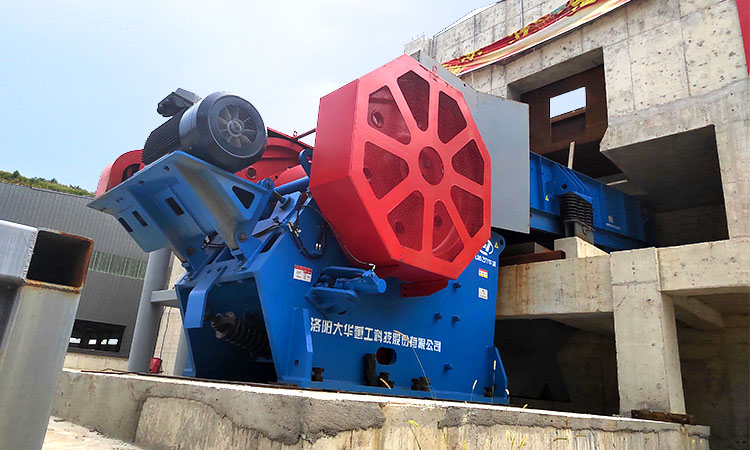
Q3: Are the jaw plates of a jaw crusher prone to damage? Are they difficult to replace?
A3: Jaw plates are wear parts, but not as delicate as you might think.
How long they last depends mainly on the material you feed them. For crushing general granite and limestone, they should last 3-6 months without problems. If processing particularly hard materials like quartz, wear will be faster, and they may need inspection every 1-2 months.
We use high-quality steel, which is particularly wear-resistant, to save you time and money on replacements.
Replacing them is not difficult. We have drawings and videos; many of our own customers can learn it after watching one review. With practice, you can replace them in half an hour.
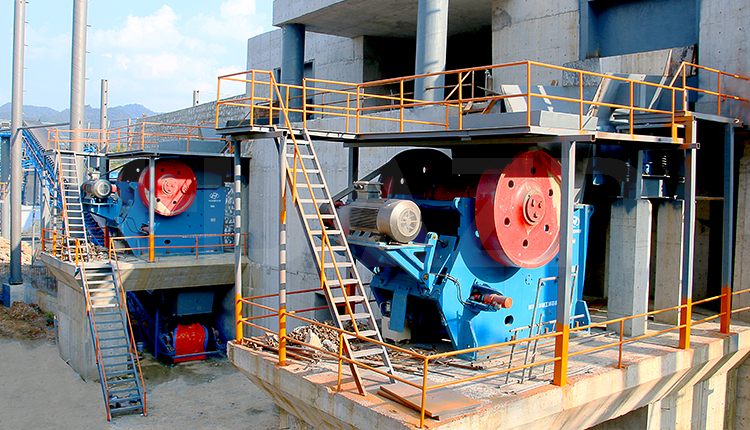
Q4: How do I adjust the size of the material output from the jaw crusher? Can I adjust it to any fineness?
A4: Adjusting the size isn't difficult, but it has its own "quirks."
There's an adjustment mechanism at the back of the machine. Tightening or adjusting the shims changes the opening size, and the output material size changes accordingly. For example, it can be steplessly adjusted from 20mm to 150mm. However, remember to always stop the machine before adjusting. If your budget allows, there are even smarter jaw crushers available. Their hydraulic wedge design allows for quick adjustment of the discharge opening, significantly reducing downtime and chamber cleaning time.
Each machine has an adjustment range, much like our appetite; it can satisfy our needs within a certain range. However, if you want to turn a 300mm rock into 10mm sand in one go, it can't do that; that's the responsibility of the subsequent sand making machine.
If you have particularly precise requirements for material coarseness (e.g., 0-5mm, 5-10mm, 10-20mm), we'll need to discuss what kind of screen and secondary crushing equipment to use, and we'll arrange a complete solution for you.
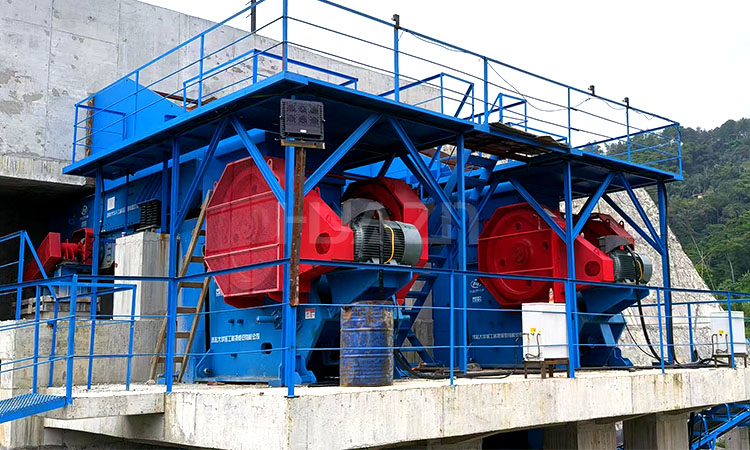
Q5: When the jaw crusher is working, will the vibration and noise be significant? Will it meet environmental protection standards?
A5: You care about environmental protection, and so do we; it's a top priority now.
To be honest, crushing rocks will definitely produce some noise, but our new machines have undergone significant improvements in vibration and noise reduction. During normal operation, noise levels at a distance of 1 meter from the equipment can be controlled below 85 decibels. With foundation vibration reduction and factory sound insulation, meeting factory boundary standards is not a problem.
As long as the foundation is properly laid, the equipment is installed correctly, placed in a standard factory building, and with some simple sound insulation measures, it can fully meet environmental inspection requirements.
These are some of the questions our long-term customers often ask, and I've tried to be as straightforward as possible. Of course, every mine is different, and we'll need to discuss specific issues on a case-by-case basis. If you have any further questions or encounter any new problems, please don't hesitate to call or message us. Tell us your production targets, stone size, and desired product specifications. Dahua Heavy Industry has been in this industry for many years, and our strength lies in helping our customers understand and resolve issues effectively. We're waiting for you!
Previous Article:No Information
Next Article: What is the price of Mining Hammer Crusher?