Product Knowledge
Preventive Maintenance Guide for Your Mobile Crusher Machine
author:dahua2 time:2026-11-27
Mobile crushers are currently a popular and widely used type of crushing equipment in the industry. Thanks to their convenience, efficiency, and operational stability, they are extensively employed in applications such as the recycling of construction waste, the processing of hard rock and aggregates, and on-site crushing at mining operations. Given that these machines often operate continuously under demanding conditions—characterized by high dust levels, heavy loads, and complex terrain—proper, standardized maintenance is essential. It allows for the timely identification of potential issues such as loose components, wear, or inadequate lubrication, helping to prevent unexpected downtime that could disrupt project schedules. Furthermore, regular maintenance extends the service life of core components, reduces long-term operating costs, and ensures the consistent, stable production of high-quality finished materials.
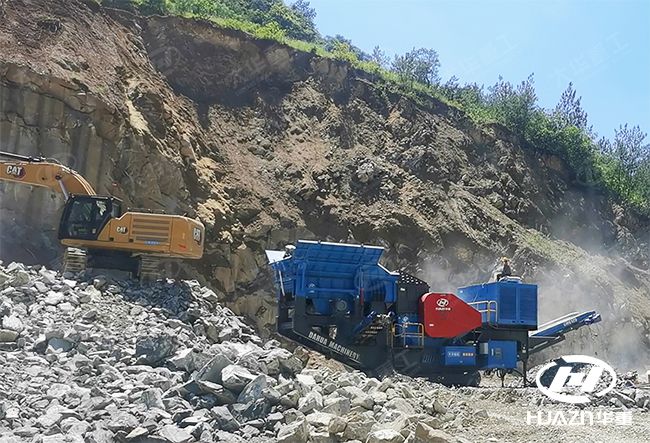
The maintenance of mobile crushers can be systematically managed across four key areas: daily operational procedures, lubrication management, the oversight of wear parts, and scheduled overhauls.
1. Comprehensive Daily Operational Control
Before startup, verify the lubrication oil levels, belt tension, and the tightness of all connecting bolts; ensure the crushing chamber is completely cleared of any residual material. During operation, continuously monitor bearing temperatures (≤70°C), overall machine vibration (≤5mm/s), and ensure the motor current does not exceed 80% of its rated value. If any abnormal gear noise or unusual oil temperatures occur, shut down the equipment immediately for inspection. After operation, promptly clean dust and debris from the machine’s surfaces, and check for issues such as conveyor belt misalignment or damage to the screen mesh.
2. Standardized Lubrication Procedures
Replace bearing grease every 500 operating hours, and clean the bearings and re-apply grease every 2,000 hours. Before applying grease, ensure that seals and contact surfaces are clean to prevent the entry of contaminants that could compromise lubrication effectiveness. For models equipped with hydraulic systems, check the cleanliness of the hydraulic oil every 1,000 hours, and replace both the hydraulic oil and the corresponding filter elements every 5,000 hours.
3. Periodic Inspection and Replacement of Wear Parts
Inspect wear parts—such as jaw plates, hammer heads, impact plates, and liners—every 3,000 operating hours. Replace these components when wear exceeds 50% of their original thickness to ensure consistent crushing efficiency and that the final product meets required particle shape specifications. Before and after each operation, carefully check the tightness of newly installed wheel rims or hubs to prevent loosening, which could otherwise lead to equipment failure.
4. Tiered Planned Maintenance
Establish a comprehensive maintenance cycle consisting of minor, medium, and major overhauls. Minor overhauls (every 1–3 months) focus on adjusting the discharge gap and replacing a limited number of wear parts. Medium overhauls (every 1–2 years) involve a thorough inspection of the drive and hydraulic systems. Major overhauls entail the repair or replacement of core components, ensuring the long-term operational stability of the entire machine.
Beyond adhering to standardized maintenance protocols, selecting high-performance equipment designed for complex operating conditions can further reduce daily maintenance burdens and enhance operational stability. The CMC tracked mobile crusher from Luoyang Dahua Heavy Industry features a fully hydraulic tracked chassis with a climbing capability of up to 30°, allowing it to easily navigate challenging terrain—such as muddy ground or mountainous areas—where conventional equipment might struggle. The unit integrates feeding, crushing, and screening processes. Its intelligent operation and maintenance system enables real-time remote monitoring of equipment data, automatically issuing alerts for potential issues like rising bearing temperatures or abnormal vibrations. This allows maintenance personnel to intervene proactively, significantly lowering the risk of unexpected breakdowns. Furthermore, the machine’s core components are constructed from highly wear-resistant materials. When combined with a closed-circuit production process, this not only ensures a stable output of high-quality manufactured sand—characterized by well-rounded particle shapes and uniform gradation—but also minimizes wear on consumable parts and extends the overall maintenance interval. This provides an efficient, low-maintenance crushing solution for applications such as mining, construction waste processing, and infrastructure development in remote areas.
Previous Article:No Information
Next Article: Rod Mill VS Ball Mill: Which is Best for Your Project?